

A hole, a loose seam, a worn-out fabric… Do these small flaws necessarily mark the end of a garment’s life? For some people, the answer is no. Learning to sew, turning to a professional seamstress, buying second-hand or simply continuing to wear a piece for years are all ways of resisting the constant turnover of our wardrobes. Through these personal accounts, let us discover how simple actions can help extend the life of our clothes.
The testimonials featured in this article were collected through the Wardrobe Stories Barometer, an initiative of the European CircuFash project, which invites everyone to share the stories, memories and experiences associated with their clothes.
Repair rather than replace
When a garment starts to show signs of wear, the first instinct is sometimes to replace it. However, several testimonials show that there is another option: taking the time to repair it so that it can continue to be worn.
One particularly striking account concerns a T-shirt that is almost fifteen years old. Over time, holes have appeared repeatedly along its seams. Rather than getting rid of it, its owner has made a habit of sewing it back together whenever necessary, allowing it to remain in use and avoiding waste.
This approach shows that repairs do not necessarily have to be complicated. A few stitches can sometimes be enough to significantly extend the life of a garment.
Another person owns a suede-look lambskin leather blazer purchased second-hand. After having it repaired, they now wish to learn the basics of sewing. They also emphasise the importance of prioritising better quality when shopping.
These testimonials highlight different ways of making clothes last: repairing them yourself, seeking professional help or choosing garments designed to stand the test of time from the outset.
Learning to repair : becoming an agent of sustainability
The desire to repair clothes sometimes goes hand in hand with the wish to acquire new skills. Let us discover how simple actions can help extend the life of our clothes.
Anais is particularly attached to her playsuit and wants to be able to wear it again and again. Learning the basics of sewing would allow her to carry out the necessary alterations and repairs herself.

This desire to learn is also reflected in Alexandra’s testimonial. She carefully preserves a double-knit dress which she is reluctant to part with, despite several holes caused by moths. A photograph of her grandmother wearing the dress in the 1970s makes it even more meaningful to her.
She has searched for someone capable of carrying out an invisible repair, but without success. She is now considering learning how to repair the garment herself, although she faces one particular difficulty: finding someone willing to pass on this skill. The closest person she has identified is based in London and charges high fees for their services.
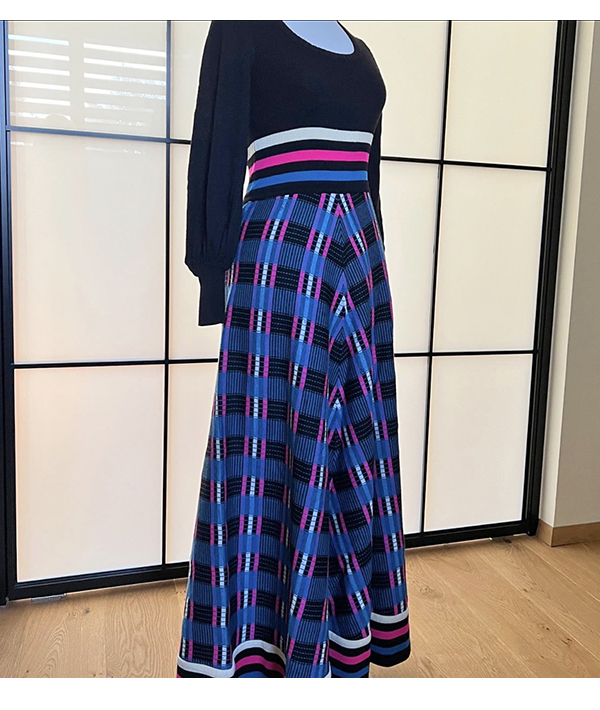
This testimonial highlights an important issue: the desire to repair exists, but access to skills, materials and professionals can sometimes be an obstacle. Learning to sew is therefore more than just a practical activity. It is also a way of becoming more self-sufficient and developing a more sustainable relationship with our clothes.
Buying second-hand: another way of consuming
Making clothes last does not only mean keeping the garments we already own. It can also involve buying second-hand, swapping and sharing.
Fiori explains that she found a pink skirt at a Fashion Revolution Grand Swap Bazaar in 2022. After four years of wearing it, she decided to have it repaired so she could continue enjoying it. However, the repair did not restore it to its original condition, and she is now looking for a seamstress with more specialised skills.
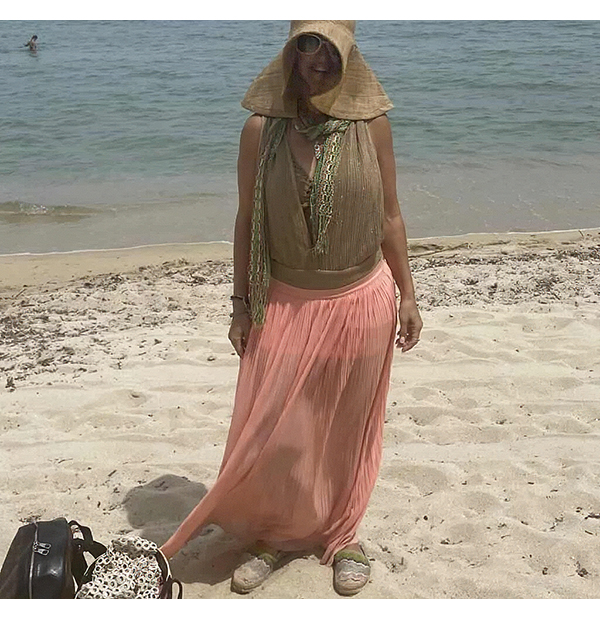
This story illustrates the value of clothing swap events: they allow garments to find new owners and continue their journey beyond their first wardrobe.
Buying second-hand also features in the testimonial about the lambskin leather blazer. Choosing an existing garment helps extend its use rather than automatically purchasing something new. These practices encourage us to rethink our relationship with shopping: a garment can have several owners and remain useful for many years.
Transforming clothes to reinvent them
Sometimes, repairing a garment is not enough. When a piece is too damaged to be worn as it is, creativity can give it a completely new appearance.
This is the experience shared by Moïra, who purchased a Proenza Schouler dress at the end of her internship at the fashion house in New York. While still a student, she considered the purchase a genuine investment in a designer piece.
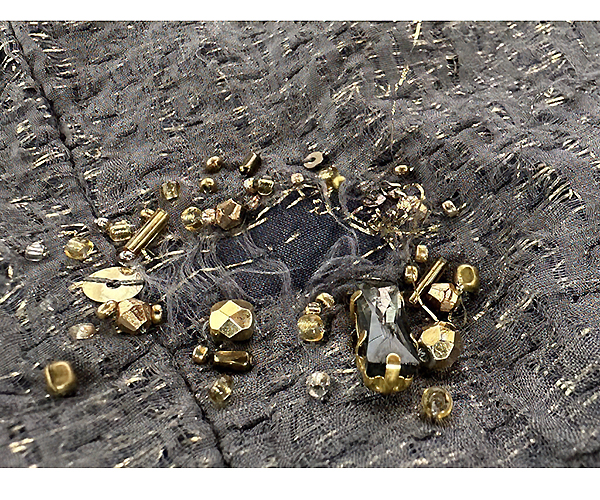
Over the years, the fabric deteriorated, making the dress impossible to wear. Too beautiful and too precious to throw away, it was nevertheless kept. A few years later, its owner created her own brand of sustainable occasionwear. She then decided to bring this symbolic piece back to life by embroidering the damaged areas of the fabric. Embroidery became a way of repairing the garment while giving it a new aesthetic dimension.
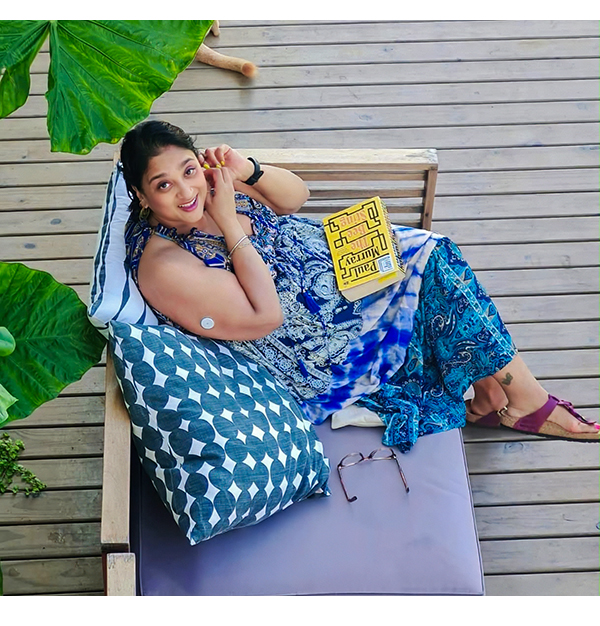
This approach to reuse can also take on a creative and cultural dimension. Merunisha presents a dress from one of her collections, made using discarded silk saris that she collected and transformed into new garments. Rather than allowing these richly coloured and patterned textiles to become waste, she gives them a new shape and purpose. Each dress retains traces of the history of the sari from which it originated, while becoming a unique contemporary garment.
Through this collection, the designer shows how fashion can preserve the cultural and material value of textiles through creativity, craftsmanship and reuse. The garment then becomes much more than something to wear: it tells a story of memory, culture and transformation.
These testimonials show that repairing can also become a creative act. Flaws are no longer necessarily hidden: they can be incorporated into the garment and become part of its aesthetic.
Making clothes last also means changing the way we see them
Not all clothes are necessarily meant to be kept for decades. Some are worn regularly, while others are reserved for special occasions. Their lifespan also depends on how they are used and the attachment we develop to them.
One person describes keeping a lightweight, flowing and particularly comfortable white sports T-shirt. They wear it regularly for exercise and even wore it during their very first running race. This garment is associated with an important personal experience, but it is also valued simply for its comfort and practicality. It illustrates another dimension of sustainability: keeping and using the items that genuinely meet our needs.
Other testimonials also highlight the importance of quality. A well-designed garment, made from durable materials and suited to its intended use, can accompany its owner for many years. In the face of an industry that encourages the frequent renewal of collections, these experiences invite us to slow down and reconsider our consumption habits.
What if making clothes last became a habit?
Mending a seam, learning how to use a needle, buying second-hand clothing or transforming a damaged garment: these actions may seem modest, but they contribute to a different way of consuming fashion.
They show that the lifespan of a garment does not depend solely on how it is made. It also depends on our habits, our choices and our ability to take care of the clothes we own.
Making clothes last does not necessarily mean keeping every garment at all costs. Rather, it means giving each piece time to be worn, used and cared for before considering replacing it. Let us discover how simple actions can help extend the life of our clothes.
What if the real change in our relationship with fashion began with a simple question: before buying a new garment, can we make the one we already own last longer?
CircuFash is an Erasmus+ Project co-funded by the EU