Posts By :

Catherine Dauriac

Textile Hospital saves clothes to make them last

Save clothes & make them last : Mândra Chic and their Textile Hospital

Save clothes & make them last : Mândra Chic and their Textile Hospital 849 945 Catherine Dauriac

This text has been sent by our partner Andreaa Ciorti to show how Mândra Chic saves and transforms clothes to make them last.

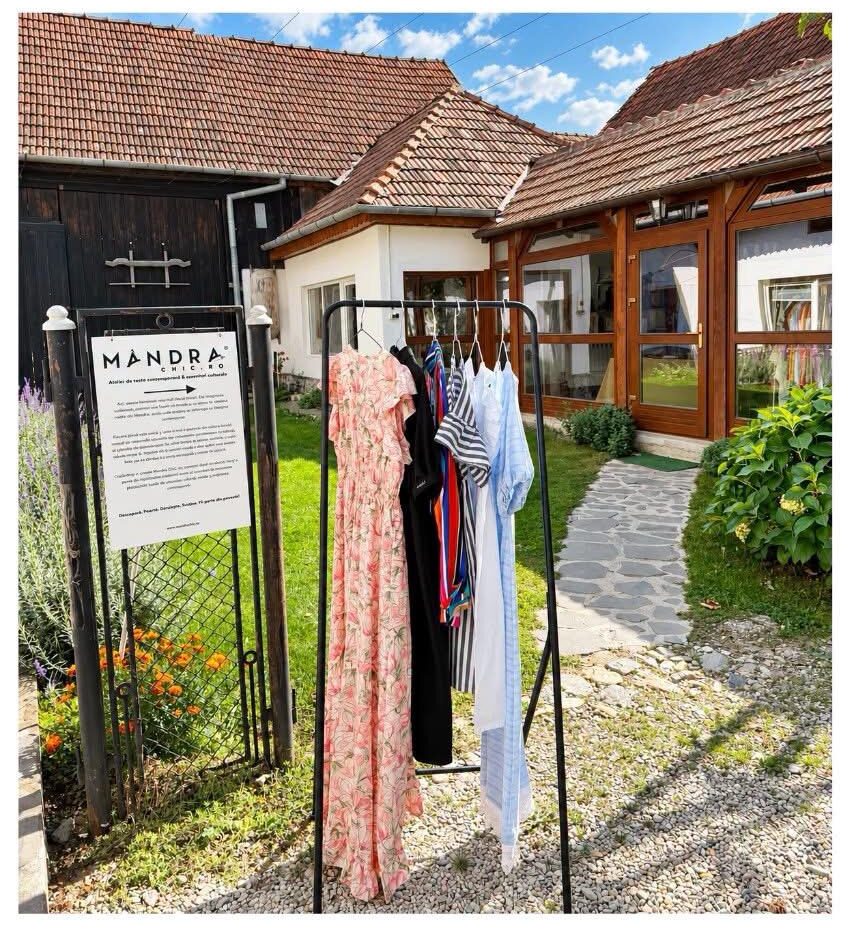
This is what we can read on their Facebook post: “Today, a little glimpse into the atmosphere at the Textile Hospital, where we have opened a new ward — one where we treat the wanderlust of textiles that “have nothing wrong with them.” 🙂

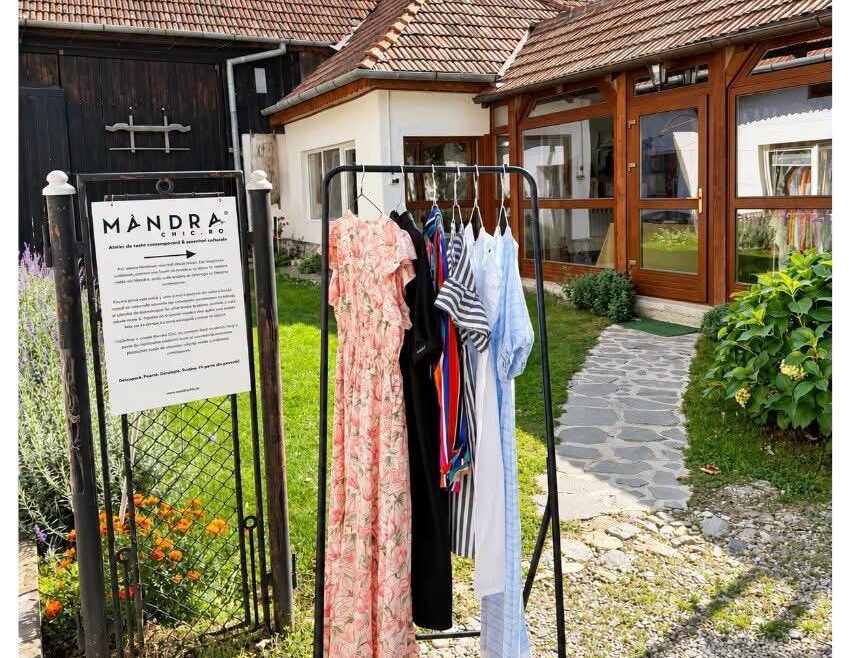
This little dress belonged to Flavia. She wore it only once, and then outgrew it. When we made her a new one, this dress came back to us, and its value was deducted from the price of the new dress. A kind of textile buy-back. 🙂
Textile Hospital saves clothes to make them last

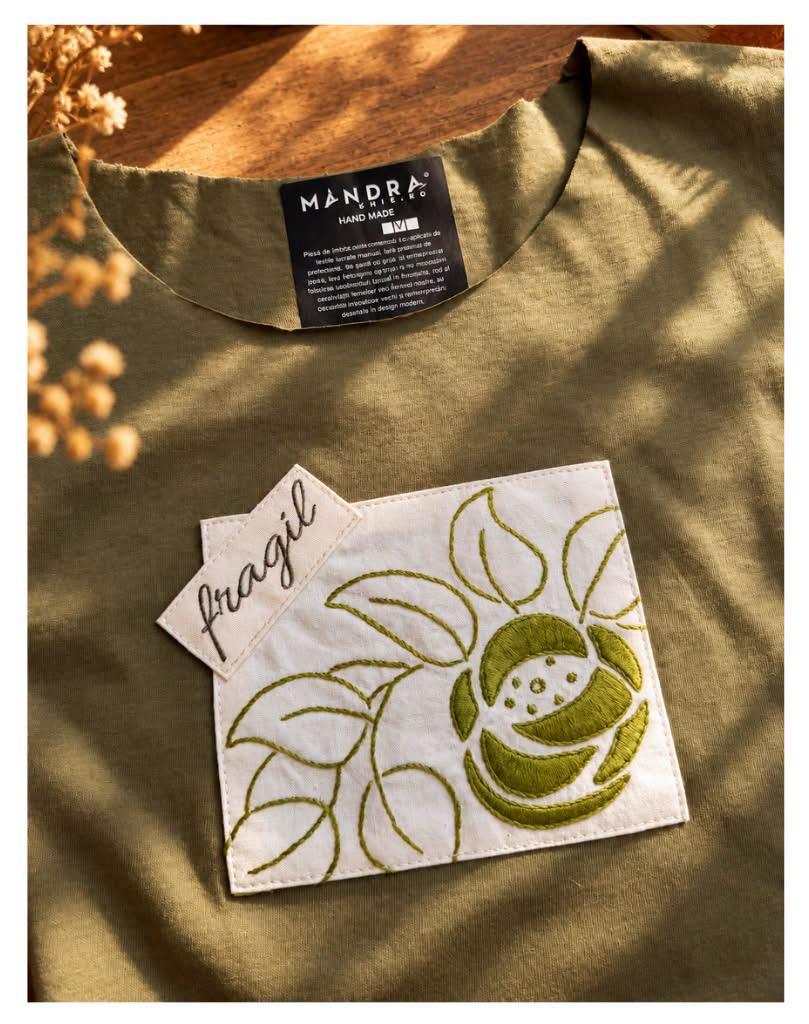
With some of our pieces, such as T-shirts and sometimes hoodies, we can recover the handmade appliqués and transfer them onto a new garment, while the base pieces are woven on the looms at the Museum of Cloth and Stories.

With a dress, things are not quite so simple. Its construction does not allow us to remove and transfer the elements without damaging either the garment itself or the handmade details. And in this case, there would have been no reason to do so anyway — the dress is as good as new.

So we chose another way to extend its life. We save and transform clothes to make them last.

A small exchange that we are very fond of. Flavia continues her story with a new Mândra Chic dress, while the one she has outgrown does not end up forgotten in a wardrobe. It is far too lovely for that. It would be a shame if it could not carry its message and its story alongside another child.

We have added it to our little online shop at a reduced price, and we would love for it to find someone with whom this journey can continue.
Textile Hospital

For us, this is also what the Textile Hospital is about: repairing when something needs fixing, transforming when it can no longer be used as before, recovering whatever can be recovered, but also putting back into circulation the things that can still be worn exactly as they are.

We currently have three such dresses in our permanent sale section.
Sustainable clothing: follow The Clothing Party (“De Klerenpartij”)

Sustainable clothing: follow The Clothing Party (“De Klerenpartij”) 2560 2560 Catherine Dauriac

“De Klerenpartij”

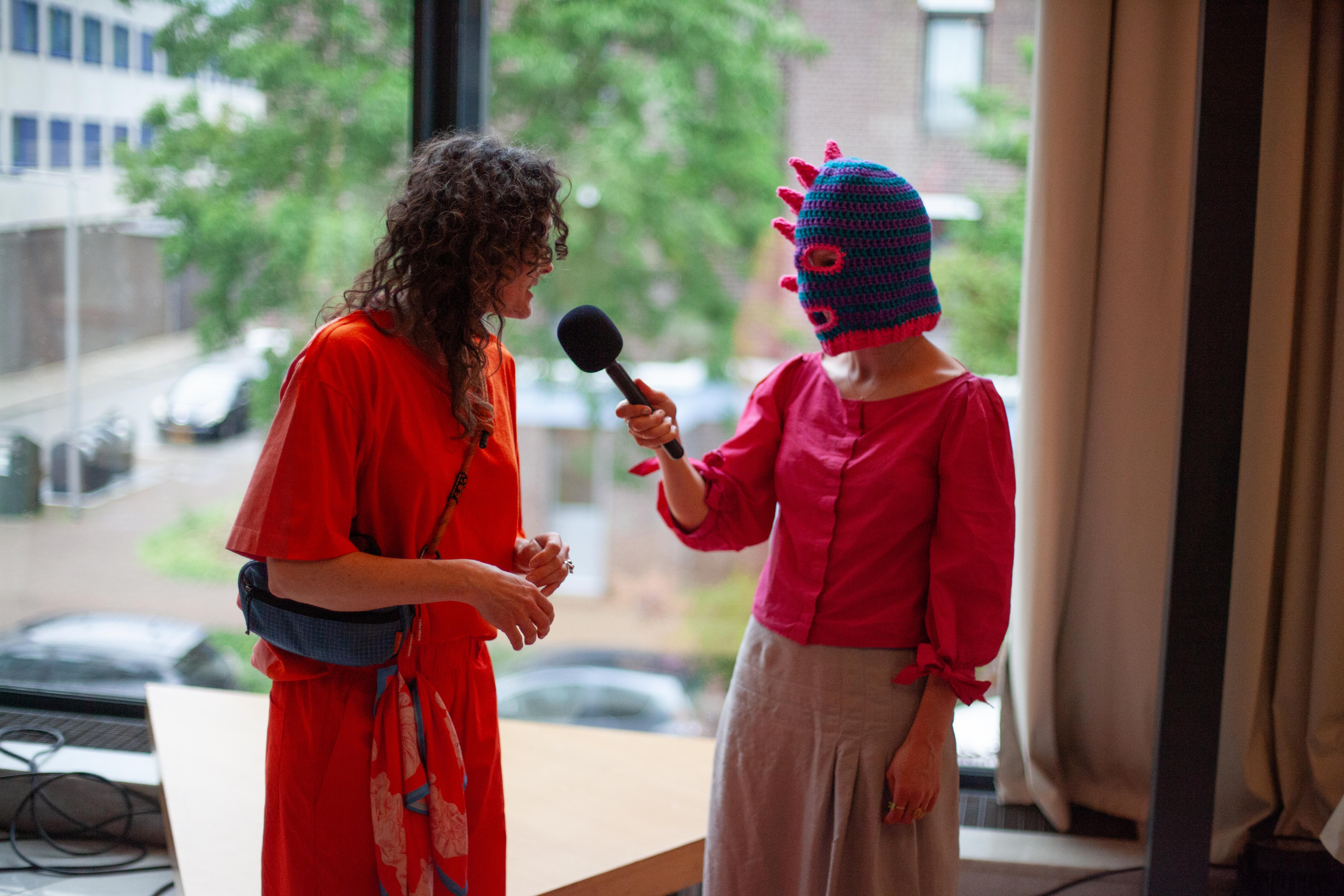
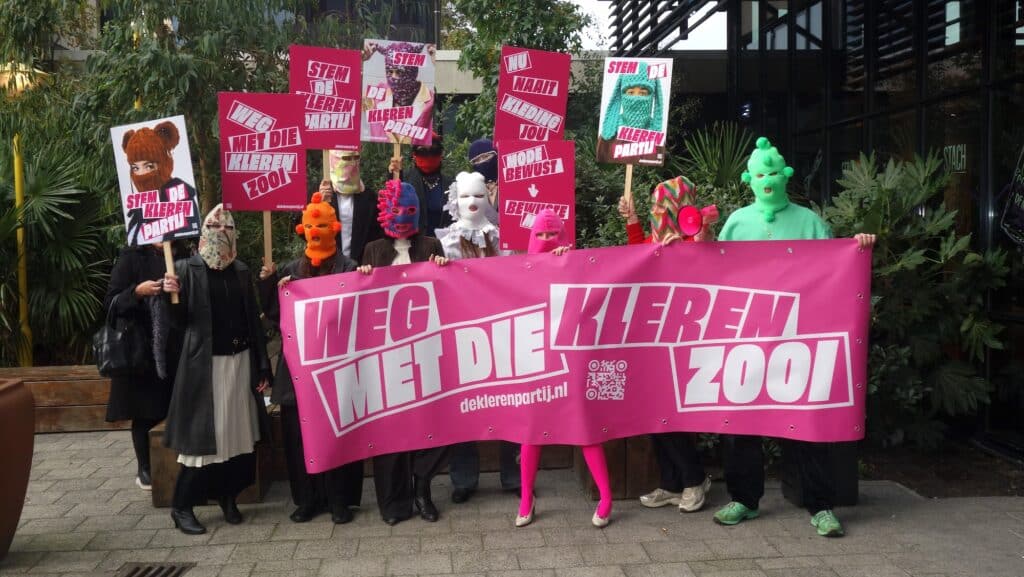
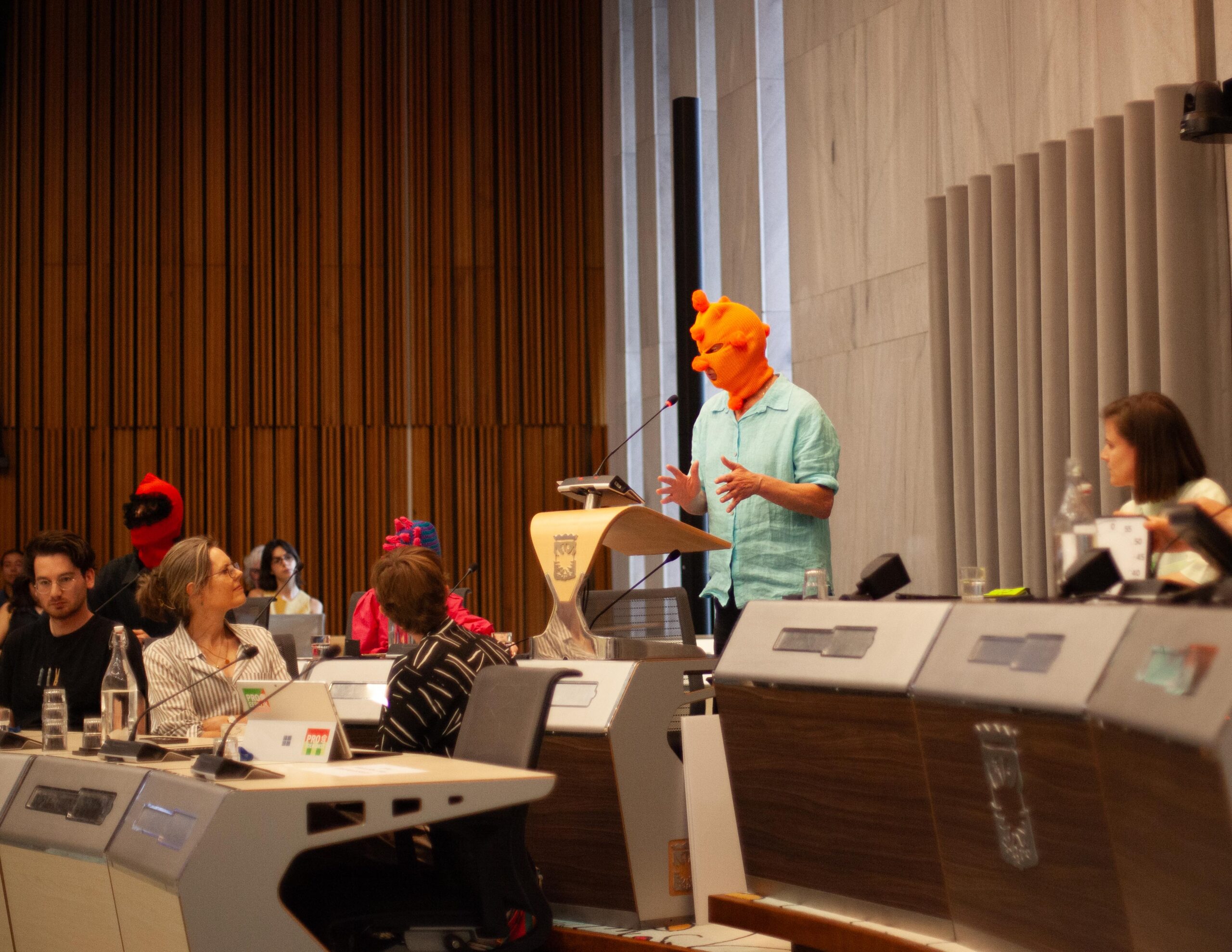
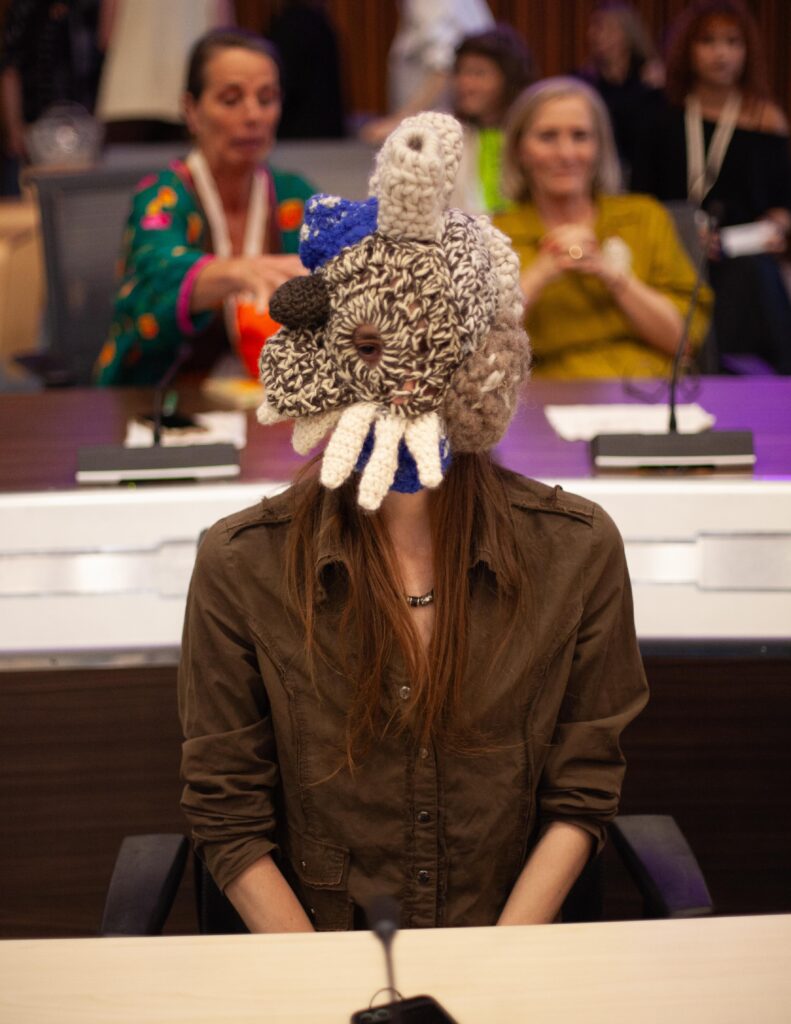
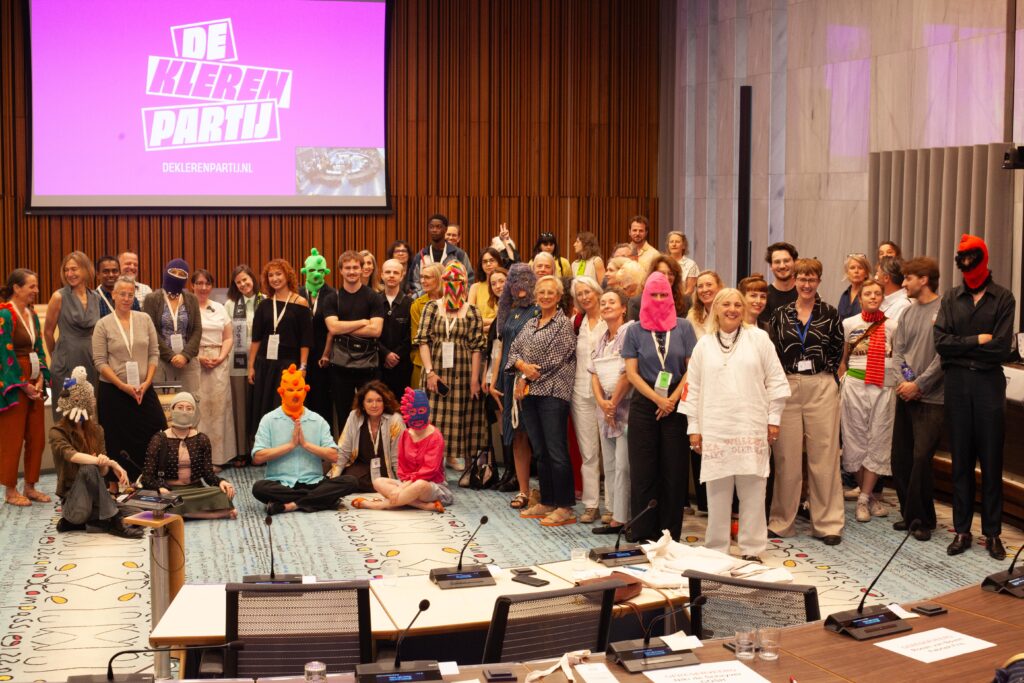
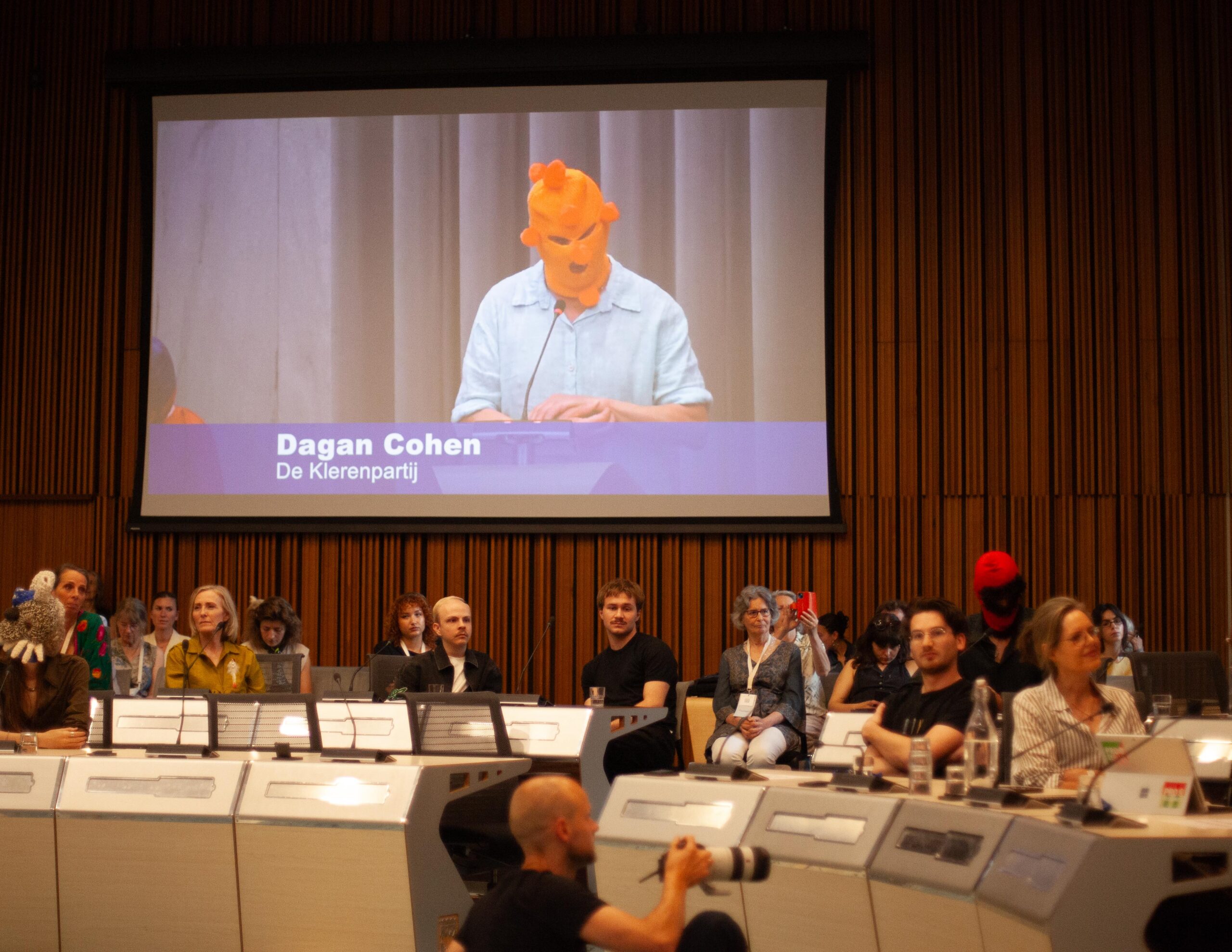
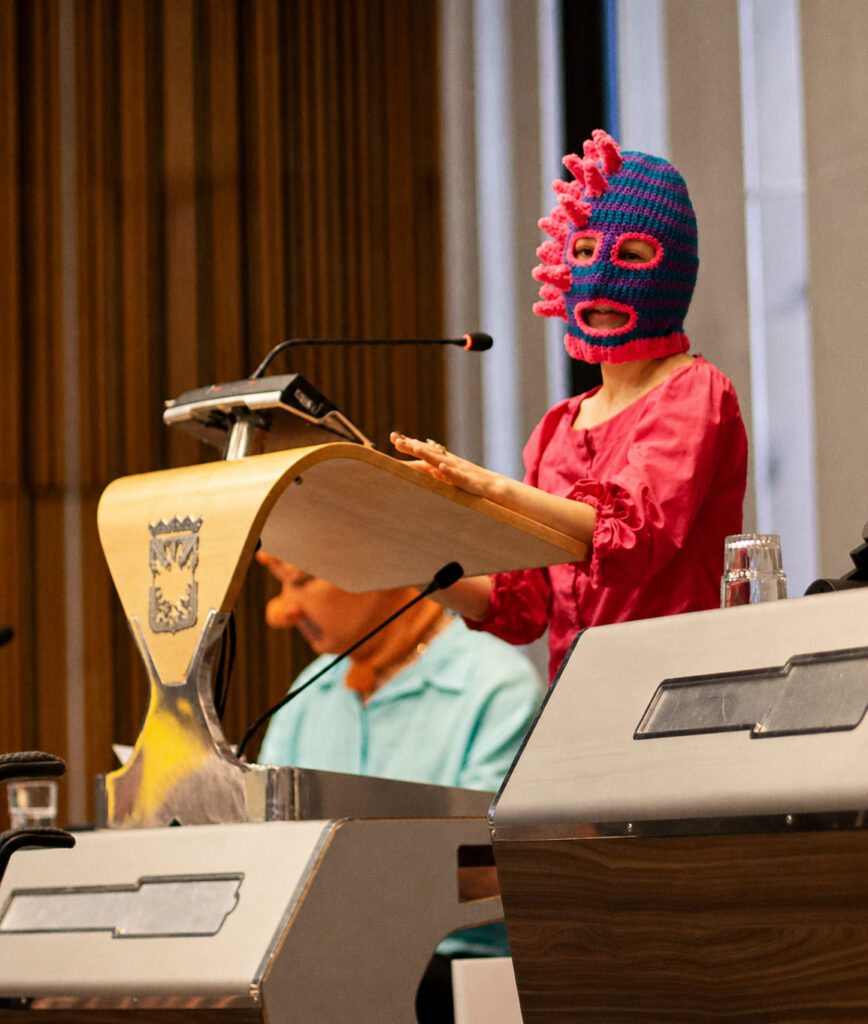
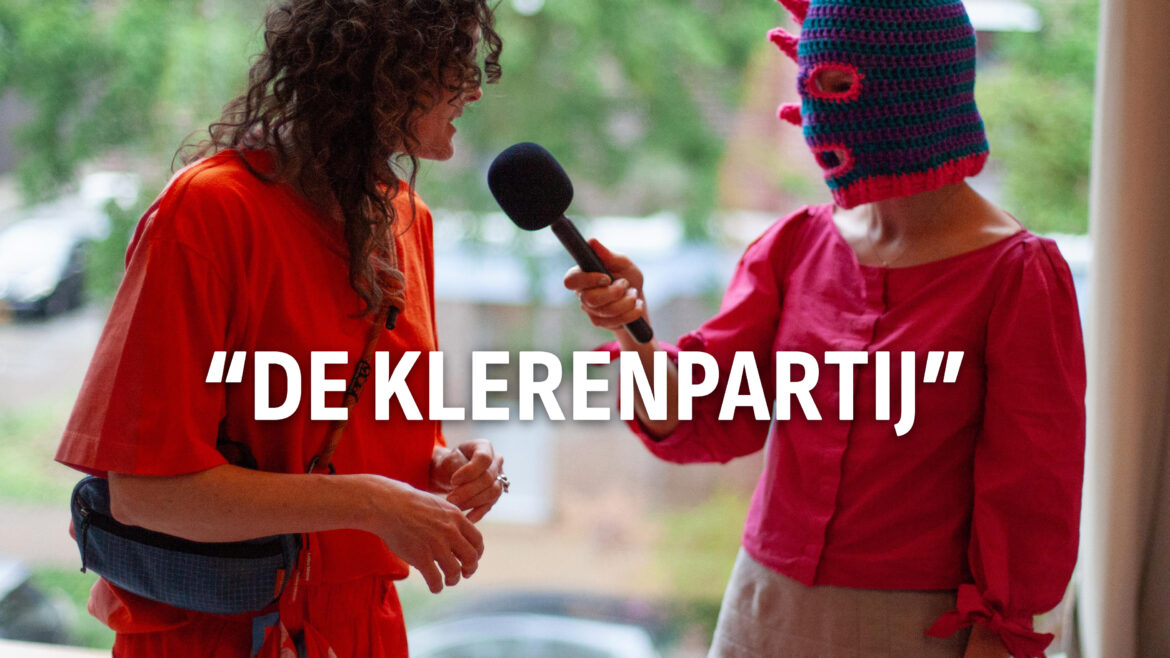
At the State of Fashion Biennale* 2026 on 29 May in Arnhem’s council chamber, the Clothing Party (“De Klerenpartij”) presented a series of motions advocating for a fairer and more sustainable clothing and textile system. Developed collaboratively with over twenty pioneers from the fashion and textile sector, the motions focus on education, local circular infrastructure, and municipal responsibility.

The party sees itself as a ‘creative crowbar’ for cultural change around clothing – from a throwaway culture to a culture of making

De Klerenpartij is a public initiative

by designers Billie van Katwijk and Dagan Cohen in collaboration with the Amsterdam Fashion Institute (AMFI), ArtEZ, and the Research Community New Tex Eco. The party sees itself as a ‘creative crowbar’ for cultural change around clothing – from a throwaway culture to a culture of making.

They stand for sustainable clothing

  • They stand for sustainable clothing that does justice to people and planet.
  • For craftsmanship instead of mass production.
  • For connection instead of waste.
  • For an economy based on care, not sweat.

Motion 1: Promote Clothing Awareness and Practical Skills

The first motion emphasises education and citizen engagement. It proposes teaching primary school pupils practical textile skills such as sewing, knitting, and crocheting. Secondary school students would be introduced to the entire textile value chain through visits to farms, design studios, weaving mills, sewing ateliers, retailers, repair hubs, sorting centres, and recycling companies. The motion also calls for greater visibility of sustainable clothing alternatives in Arnhem, including second-hand shops, clothing swap initiatives, repair spaces, maker hubs, and digital platforms that encourage more conscious consumption.

Motion 2: Strengthen Local Circular Textile Infrastructure

The second motion focuses on supporting circular entrepreneurs and community initiatives. It advocates providing affordable spaces for all stages of a local bio-circular textile chain, ranging from organic raw material production and material laboratories to repair centres and recycling facilities. In addition, it proposes subsidies, accelerator programmes, and growth support to help circular businesses become economically viable over the long term. The motion further argues for a fairer competitive environment by ensuring sustainable entrepreneurs have access to visible retail locations and subsidised public advertising.

Motion 3: Apply Circular Textile Policy Within Municipal Operations

The third motion calls on the municipality itself to become an active example of circular textile practice. It proposes that municipal organisations purchase only locally produced bio-circular workwear and interior textiles and collaborate with local repair services for maintenance. The motion also suggests embedding circular textile practices into municipal workplaces through clothing swaps, repair stations, workshops, and educational activities led by local sustainable fashion initiatives. Finally, it recommends using professional development budgets to train civil servants in circular textile knowledge and practical making skills.

*State of Fashion is a platform for showcasing alternatives to the current fashion system. We connect fashion, explicitly and honestly, with the societal questions and challenges of our time. Our leading question is how fashion and textile can contribute to a better world?

Pictures by Lois Cohen

logo CIRCUFash orange

What is CIRCUFash

What is CIRCUFash 1616 1484 Catherine Dauriac
What if fashion could be a tool for social inclusion, local production, and environmental responsibility – all at once?

That’s exactly what CIRCUFash is here to explore. 
We are an European Erasmus+ partnership bringing together five organisations across four countries, united by one conviction: the future of fashion can be circular, locally produced, and genuinely inclusive.

The global textile industry is one of the world’s largest polluters and often relies on opaque, exploitative labor chains. Meanwhile, marginalized populations in European cities lack access to high-value vocational training that combines traditional craft with modern circular technology.

What does that mean in practice?

Over the next 24 months, we will:
→ Open Urban Fashion Labs in Athens, Sibiu and Amsterdam — hands-on spaces where marginalised learners (women survivors of violence, migrants, unemployed youth) develop real circular design and production skills.
→ Build a free, open-access Vocational Training Curriculum so educators across Europe can teach circular fashion.
→ Launch a Citizen Science Platform where anyone can contribute their knowledge of local textile traditions, repair practices, and circular habits.
→ Co-produce 5 Pilot Capsule Collections: upcycled garments made by the people who trained in our labs.
→ Publish a Policy Paper with concrete recommendations for cities, businesses, and decision-makers.

What is an Erasmus+ project ? 

Erasmus+ is the European Union programme for education, training, youth, and sport. It promotes inclusion, innovation, and active citizenship, offering learning opportunities to young people, educators, and organizations.
Through international projects, Erasmus+ supports cooperation between organizations from different countries, the exchange of good practices, and the development of transversal skills.

Co-funded by Europe – Erasmus+
Circufash : Project No.: KA220-VET-E583B045

Want to be part of the movement?  
Join us, learn, and take action  
Learn more here : circufash.eu  
Subscribe to our newsletter here  
Follow @circufash on Instagram for updates

Privacy Preferences

When you visit our website, it may store information through your browser from specific services, usually in the form of cookies. Here you can change your Privacy preferences. It is worth noting that blocking some types of cookies may impact your experience on our website and the services we are able to offer.

Click to enable/disable Google Analytics tracking code.
Click to enable/disable Google Fonts.
Click to enable/disable Google Maps.
Click to enable/disable video embeds.
Our website uses cookies, mainly from 3rd party services. Define your Privacy Preferences and/or agree to our use of cookies.